Log _

~ Accade oggi in Italia ~

NON SERVE ESSERE PSICOLOGI PER CAPIRE CHE QUEL BAMBINO È STATO TRAUMATIZZATO

Dopo mesi di separazione, arriva finalmente il primo giorno in cui i bambini possono stare a casa con la famiglia. Eppure, il mancato abbraccio di un bambino è un segnale evidente del trauma che ha vissuto. Non bisogna essere psicologi per capirlo.
E in nome di che cosa è stato traumatizzato questo bambino? Del suo benessere? No. In nome dell’interesse di uno Stato abusante, che esercita il proprio potere sulla vita dei bambini e delle famiglie.
È inaccettabile!

After months of separation, the day finally arrives when the children can be at home with their family. Yet, a child’s failure to offer an embrace is a clear sign of the trauma they have endured. One does not need to be a psychologist to understand this.
And in the name of what has this child been traumatized? In the name of their own well-being? No. In the name of the interests of an abusive State—a State that exerts its power over the lives of children and families.
It is unacceptable!

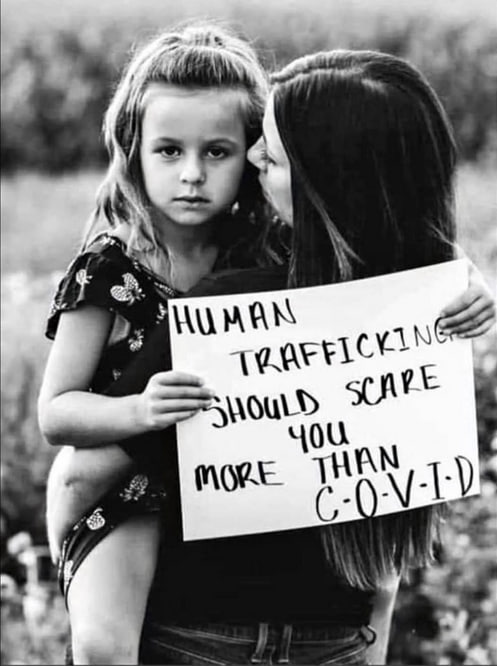
Il traffico di esseri umani dovrebbe spaventarti più del C-O-V-I-D

Il traffico di esseri umani dovrebbe spaventarti più del C-O-V-I-D

Human trafficking should scare you more than C-O-V-I-D

The abuse disguised by the entire family
L’abuso mascherato dalla famiglia intera

Quando si parla di alienazione genitoriale, la maggior parte delle persone immagina un genitore che mette il figlio contro l’altro.
Ma cosa succede quando non è coinvolto soltanto un genitore?
Cosa accade quando è l’intero nucleo familiare a essere parte in causa?
Parliamo di nonni, zii, persino cugini: tutti contribuiscono a rafforzare gli stessi messaggi tossici: “Non fidarti di tuo padre”, “A tua madre non importa nulla di te”, “Staresti meglio senza di loro”…
Il bambino non riceve questo input da una sola voce.
Gli arriva da ogni direzione. Si tratta di giochi psicologici continui.
E tutto ciò distrugge la capacità del bambino di pensare con la propria testa, di sentirsi al sicuro, di sentirsi amato senza condizioni.
Non si tratta solo di alienazione.
È abuso, mascherato da dinamica familiare.

When we talk about parental alienation, most people picture one parent turning the child against the other.
But what happens when it’s not just one parent?
What happens when the entire family unit gets involved?
We’re talking grandparents, aunts, uncles, even cousins, all reinforcing the same toxic messages: “Don’t trust your dad”, “Your mom doesn’t care about you”, “You’re better off without them”…
The child isn’t hearing it from just one voice.
They’re getting it from every direction. It’s mind games on repeat.
And it destroys the child’s ability to think for themselves, to feel safe, to feel loved without conditions.
This isn’t just alienation.
It’s abuse disguised as family.

🩸They EXTRACT It from the Innocent – Not for Healing, but for Power 💉
Lo ESTRAGGONO dagli innocenti – non per guarire, ma per ottenere potere

– Aspetta, aspetta, aspetta. Mi stai dicendo che consumano qualcosa dai bambini?
– Non consumare, estrarre. Non li vedono come bambini. Li considerano ricettacoli appena giunti, incorrotti, senza paura, ancora risplendenti dell’essenza della fonte.
– Ok, mi sono perso. Perché proprio i bambini?
– Il loro sangue non ha mai conosciuto la paura.
Le loro menti non sono state spezzate dai traumi; i loro ormoni, la loro energia, la loro frequenza biochimica… è quanto di più puro questo mondo abbia mai visto.
– Ma a cosa serve, esattamente?
– Per loro, è come collegarsi a Dio.
Rallenta l’invecchiamento. Potenzia l’euforia. Inonda il cervello di sostanze per le quali, al mercato nero, saresti disposto a uccidere. E, cosa ancora più importante, alimenta la dipendenza dal controllo. Una volta provato, una volta assaporata quella luce incontaminata, non si può più tornare indietro.
– Ho visto dei fascicoli: bambini scomparsi nel nulla, senza lasciare traccia, né impronte, né segni; solo barre nere al posto dei nomi.
– Ma dai, saranno casi rari, no?
– Rari? Fammi fare una domanda. Hai sentito parlare di un’isola, di un miliardario, di un registro di volo, di uno scandalo. Ma sai quante isole esistono solo nel Pacifico? Più di 25.000. Alcune sono così riservate che non compaiono nemmeno sulle mappe satellitari commerciali.
– Che vuoi dire?
– Voglio dire che quelle di cui siamo a conoscenza sono solo le briciole che ci lasciano vedere. I veri rituali avvengono in luoghi di cui non saprai mai nemmeno l’esistenza. Pensi che la tua memoria ti protegga? Quanti bambini sono scomparsi, nel corso del tempo?
– Mi sono occupato di casi in cui persino io ho iniziato a dubitare che quei bambini fossero mai esistiti davvero. Fascicoli cancellati, genitori messi a tacere, intere comunità manipolate e ingannate.
– Sembra una follia.
– Lo è. Ed è proprio per questo che funziona: perché la tua mente non può reggere una verità simile senza andare in pezzi. Se ti avvicini troppo al limite, finisci per ridere o per impazzire. Ed è proprio questo il bello del sistema. Non nasconde la verità. La seppellisce sotto una tale mole di rumore che non riuscirai mai a cogliere il segnale.
– E adesso?
– Ora, ricorda bene questo momento, perché la probabilità che tu potessi anche solo a sentire questa verità era una su un milione. Immagina, adesso, quante verità siano andate perdute perché nessuno ha mai avuto quell’opportunità.

– Wait, wait, wait. You’re telling me they consume something from children?
– Not consume extract. They don’t see them as kids. They see them as freshly arrived vessels, uncorrupted, fearless, still glowing with the essence of the source.
– Okay, you lost me. Why kids?
– Their blood hasn’t tasted fear.
Their minds haven’t been broken by trauma, their hormones, their energy, their biochemical frequency. It’s the purest this world ever sees.
– But what does that even do?
– To them, it’s like plugging into God.
It slows aging. It boosts euphoria. It floods the brain with compounds you’d kill for in the black market. And more importantly, it feeds the addiction to control. Once you’ve done it, taste the untouched light, you can’t go back.
– I’ve seen files, missing kids with no trace, not a footprint, not a print, only black bars where names used to be.
– Oh, come on, that’s gotta be rare, right?
– Rare? Let me ask you something. You’ve heard about one island, one billionaire, one plane log, one scandal. But do you know how many islands exist in the Pacific alone? Over 25,000. Some so private, they don’t even appear on commercial satellite maps.
– What do you say?
– I’m saying the ones we know are the crumbs they let you see. The real rituals happen in places you’ll never know existed. You think your memory protects you? How many missing children from the age?
– I worked cases where even I started doubting if the kid was ever real. Files deleted, parents silenced, towns gassed lit.
– That sounds insane.
– It is. And that’s why it works because your mind can’t hold this truth without breaking. Because if you even get close to the edge, you’ll either laugh or go mad. And that’s the beauty of the system. It doesn’t hide the truth. It buries it under so much noise. You’ll never hear the signal.
– So what now?
– Now you remember this moment because the chance that you even heard this truth was one in a million. Now imagine how many truths were lost because no one ever got that chance.

La PM Carmen Pugliese: le accuse strumentali sono violenza sui bambini

“Bisogna dare atto che in un contesto di denuncia di maltrattamento la donna utilizza la querela come esclusivo grimaldello ed investimento ai fini della separazione. Il problema grosso è che le vittime effettive sono poi proprio i minori. […] Si sta sempre più verificando questa forma di stalking post separazione: molte denunce pervengono a noi per pedinamenti, molestie telefoniche: altro non sono che il tentativo, magari maldestro, del povero padre di vedere il figlio davanti alla scuola, perché gli si è negata la possibilità di esercitare il corretto diritto di visita. […] Lo spaccato che vedo attraverso i processi per maltrattamenti e falsi abusi sessuali è veramente una situazione allarmante.” Racconta di una “nonna” che aveva messo un nipote davanti alla telecamera per denunciare di abusi il padre separato.

Carmen Pugliese è Procuratore Aggiunto della sez. reati familiari del Tribunale di Bergamo.

“It must be acknowledged that, in the context of allegations of mistreatment, women sometimes use the formal complaint as a strategic tool—a ‘crowbar,’ so to speak—to gain an advantage in separation proceedings. The major problem is that the true victims in these cases end up being the children. […] We are seeing an increasing number of instances of ‘post-separation stalking’: many complaints reach us regarding the following of individuals or harassing phone calls—actions that are often nothing more than a—perhaps clumsy—attempt by a father to see his child outside of school, simply because he has been denied his legitimate right of visitation. […] The picture that emerges from trials involving allegations of mistreatment and false claims of sexual abuse is truly alarming.” She cites the example of a grandmother who placed her grandchild in front of a camera to level accusations of abuse against the child’s estranged father.

Carmen Pugliese is the Deputy Prosecutor for the Family Crimes Division at the Court of Bergamo.

No more posts to show

loading more logs ...