Log _

~ Accade oggi in Italia ~

Diario di cella CELLA 24. Il pugno in faccia a Filippo Turetta in carcere: il codice d’onore delle persone detenute colpisce i reati commessi contro persone più deboli
Riceviamo da Gianni Alemanno e pubblichiamo nel rispetto delle norme dell’Ordinamento.
Rebibbia, 21 settembre 2025 – 264° giorno di carcere.
È uscita soltanto qualche giorno fa la notizia del pugno in faccia che Filippo Turetta, il feroce assassino di Giulia Cecchettin, ha ricevuto da un altro detenuto nel carcere veronese di Montorio. È una vicenda che ci parla di molte cose, una filoguida per entrare nelle complesse regole del mondo carcerario.
L’autore dell’aggressione, ci dicono le cronache, è una persona detenuta di 55 anni che sta scontando una pena definitiva per omicidio nella stessa sezione in cui era stato trasferito Turetta, dopo essere rimasto a lungo nell’area protetta dell’infermeria che ospita anche detenuti a rischio. La persona detenuta che lo ha aggredito non aveva niente di personale contro di lui, ma si è incaricata di interpretare un ben preciso “codice d’onore” che esiste da sempre in tutti gli istituti di pena.
 
Segue…

 
Già si erano schierati
00:00
00:00
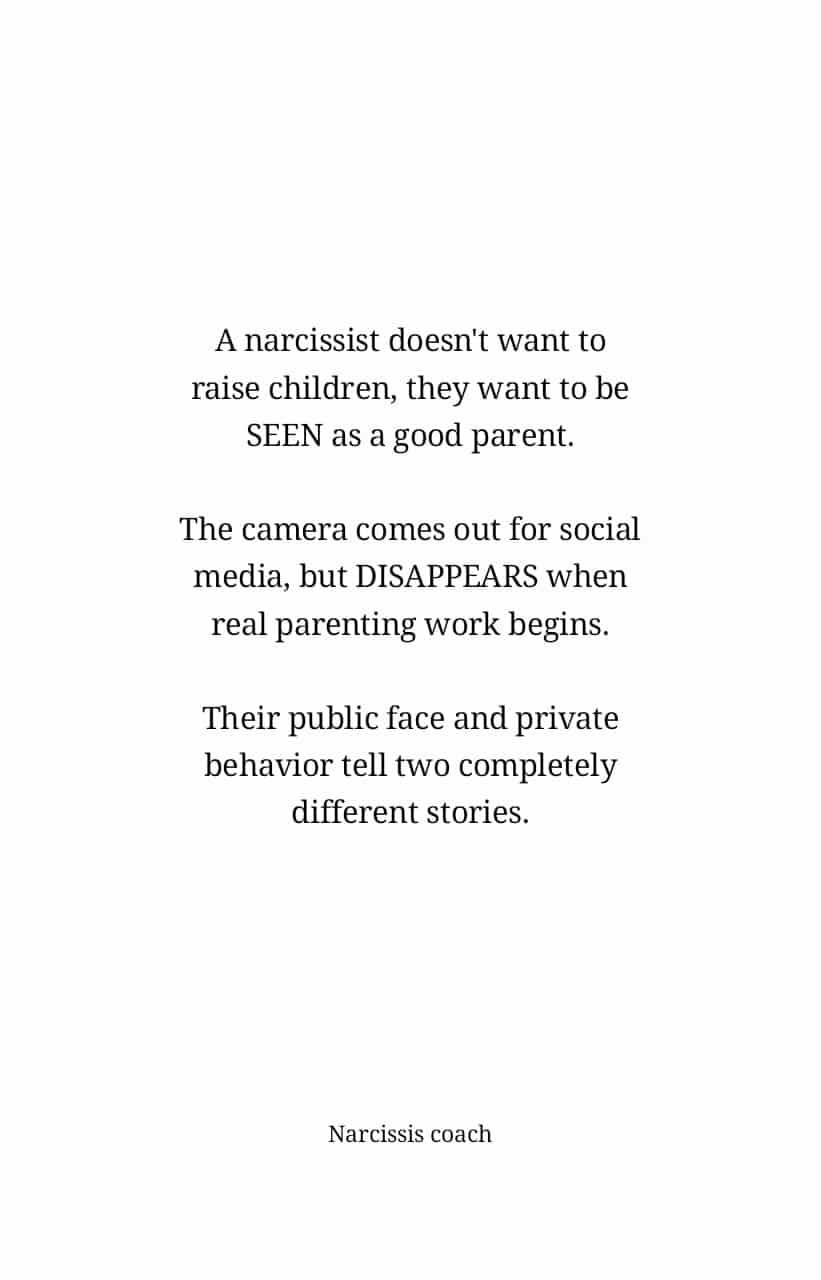
A narcissist doesn’t truly want to raise children

A narcissist doesn’t truly want to raise children—they want to be seen as a good parent. It’s never about the endless, exhausting, often thankless work of parenting; it’s about the image they can project to the world. From a distance, they want applause, admiration, and recognition for being “devoted” or “selfless,” but up close, the reality is entirely different. The moment a camera appears, whether for social media, family gatherings, or even casual bragging to friends, they suddenly transform into the “perfect parent.” They smile, pose, and take credit for moments they barely participated in, creating a carefully curated illusion of love, care, and competence.

But the moment the lens is gone, so is their effort. Real parenting—the sleepless nights, the scraped knees, the tantrums, the emotional labor, the patience that runs thin—is nowhere to be found. They disappear when you need them most, leaving the child to navigate life’s challenges without the guidance, consistency, and emotional presence a parent should provide. Their public face tells a story of love and devotion, but their private behavior tells a story of absence, selfishness, and neglect.

Over time, children begin to sense the gap between image and reality, between words and actions. They learn that the affection displayed in public is performative, not genuine. The narcissist’s goal isn’t to nurture, protect, or guide—they only want admiration, validation, and the appearance of moral superiority. And the heartbreaking truth is this: the children suffer quietly in the shadows of a parent more concerned with reputation than real connection, forced to grow up navigating a world where love is conditional, fleeting, and always performative.

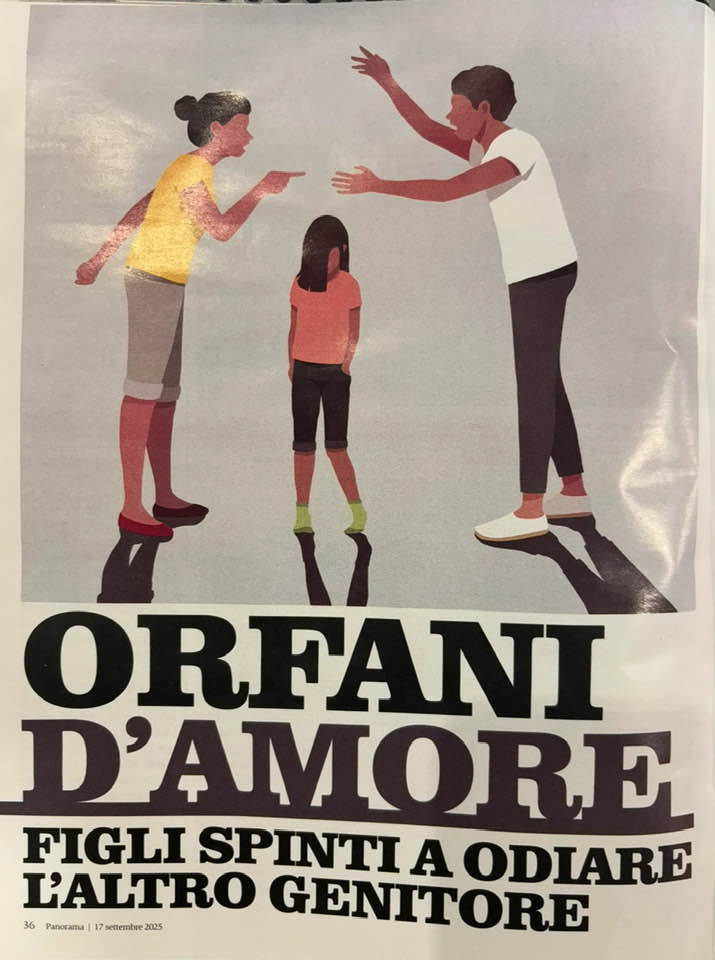
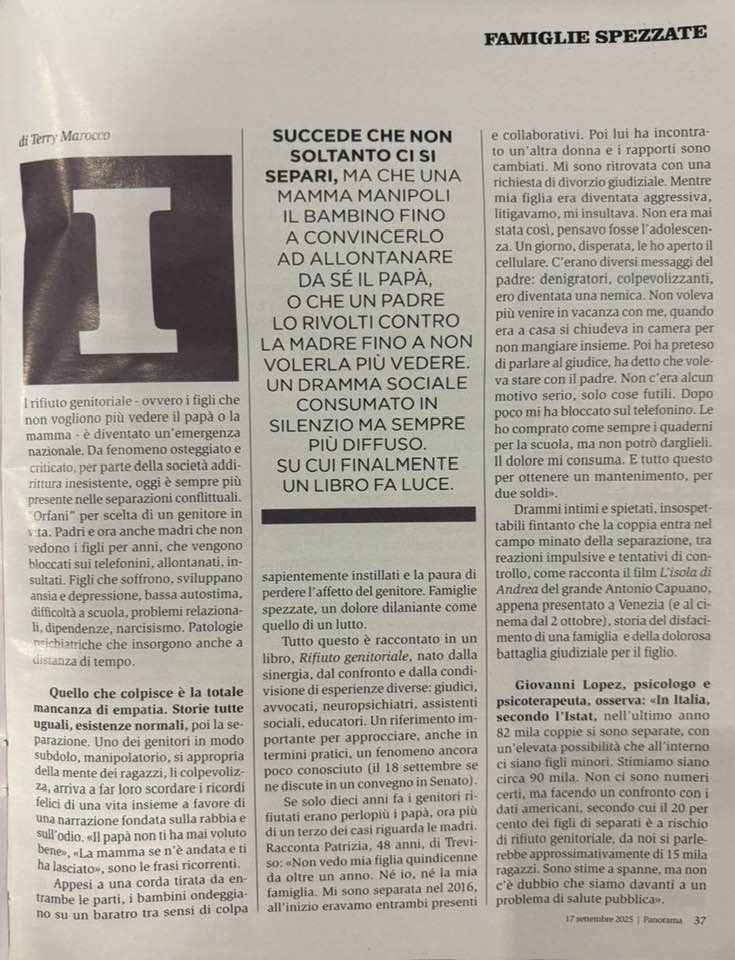
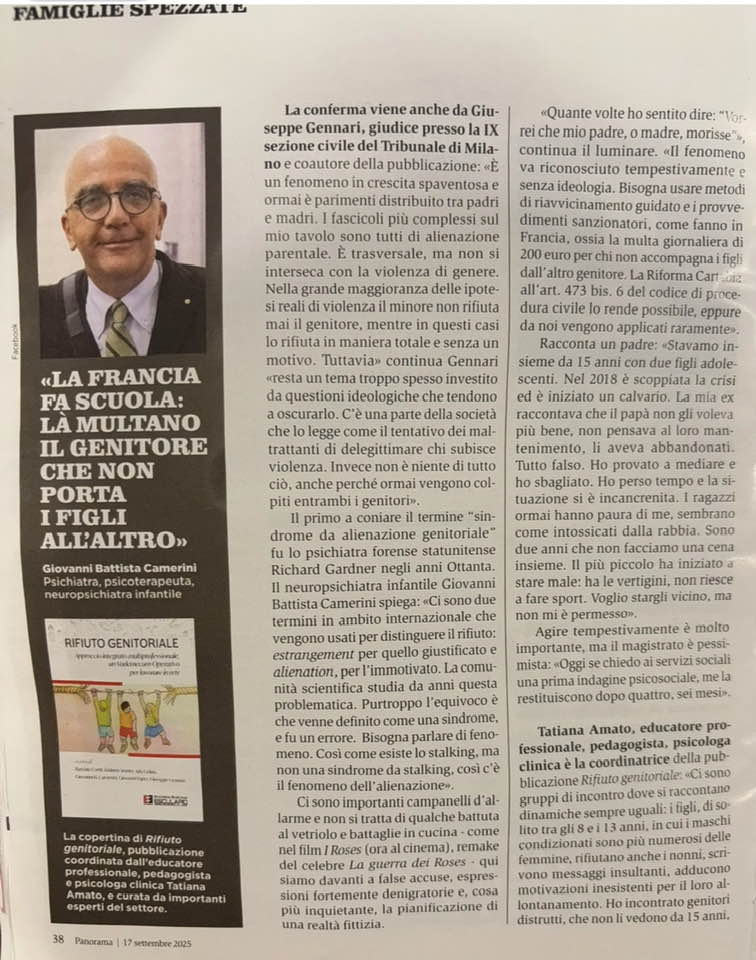
Famiglie spezzate
Just because you got custody in a biased and broken court system does not make you a better parent